Choose assisted living Charlotte for independent lifestyles with daily assistance
Advanced Senior Memory Care Approaches
Advanced senior memory care solutions resolve the sophisticated obstacles confronted by participants with cognitive decline. By integrating innovative systems, community support, and purposeful programs, these solutions seek to maximize quality of life. Smart wearables and digital tools are instrumental in securing safety and cultivating brain engagement. Still, the impact of these solutions is influenced by essential guide multiple factors that call for sustained investigation. Which key innovations are proving most beneficial in active environments?
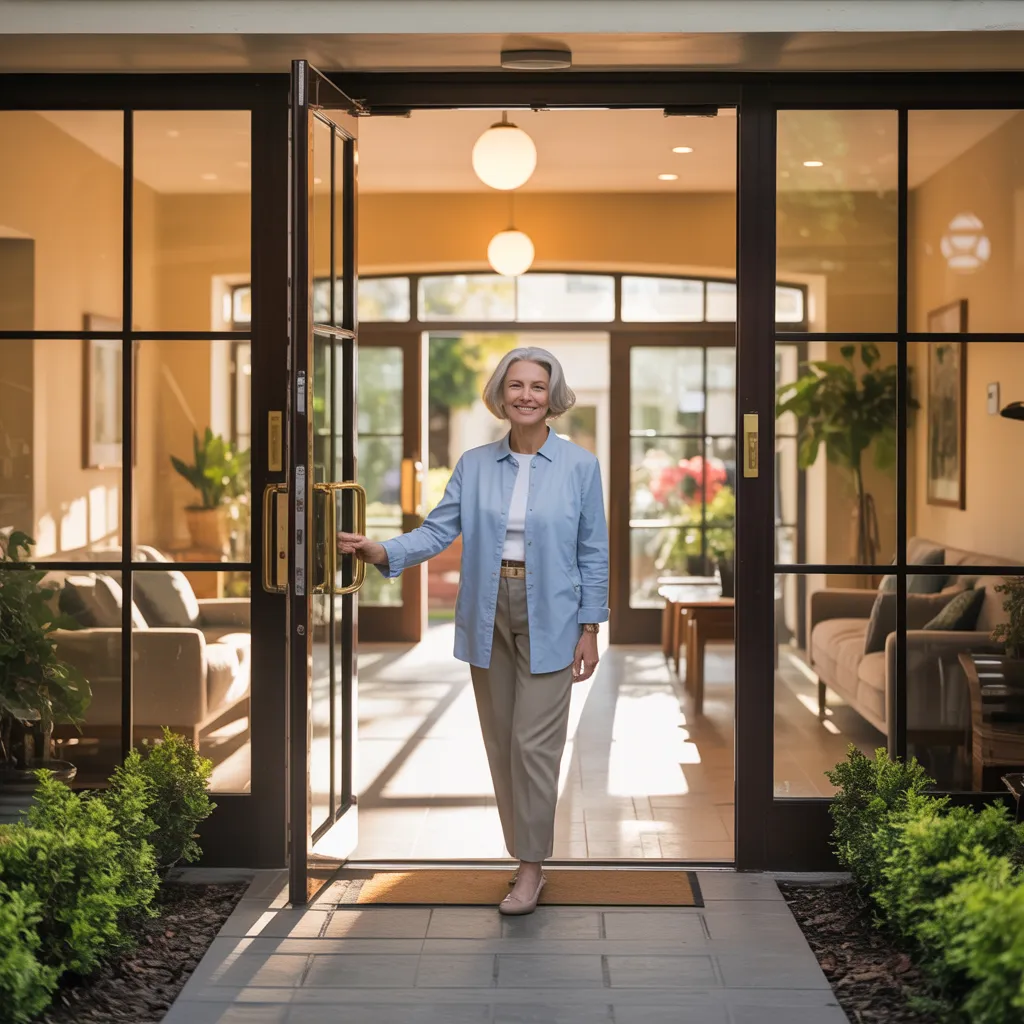
Recognizing Neurological Care Constraints: The Demand for Innovation
Since the aging population is expanding, understanding the challenges associated with memory care becomes vital. Memory-related ailments, including Alzheimer's and dementia, pose unique difficulties that necessitate tailored approaches. Caregivers regularly face pressure both emotionally and physically, as patients may display unpredictable behaviors and different levels of cognitive decline.
Additionally, the insufficiency of awareness about effective dialogue strategies can obstruct rapport between caregivers and service users, producing frustration on each side. The necessity for intensive training in memory care is mandatory, as conventional care methods may not fulfill the special requirements of persons with cognitive impairments.
Furthermore, the prejudice connected to memory disorders can distance both patients and their families, obstructing access to help resources. Tackling these challenges through innovative strategies and improved education is essential for improving the quality of life for those impacted by memory loss and cultivating a more empathetic care environment.
Digital tools' Contribution to Memory Care Developments
Technology is advancing cognitive support by introducing advancements in portable technology and computerized cognitive aids. These innovations enhance oversight and assistance for individuals facing memory loss. By adopting such digital solutions, caregivers can more effectively meet the unique needs of seniors and improve general well-being.
Wearable Tech Breakthroughs
Wearable devices has emerged as a revolutionary tool in cognitive support, enhancing the quality of life for people with cognitive impairments. Gadgets such as smartwatches and fitness trackers are equipped with capabilities that track vital indicators, track physical activity, and offer reminders for daily tasks. These functionalities not only support physical health but also support cognitive engagement by promoting routine and structure. Furthermore, GPS-enabled wearables provide peace of mind by allowing caregivers to monitor the location of individuals, decreasing the danger of wandering. The integration of these technologies encourages independence while guaranteeing safety, making them invaluable in contemporary memory care strategies. As innovations continue to evolve, wearable technology holds great promise for enhancing outcomes in this population.
Digital Information Solutions
Innovative digital memory tools are redefining the scope of memory care, delivering essential support for individuals confronting cognitive challenges. These tools often include easy-to-navigate applications designed to enhance memory recall, facilitate communication, and encourage engagement through interactive activities. Technologies such as digital calendars, reminder systems, and cognitive training games equip users to maintain independence while promoting social connections. Additionally, virtual reality experiences offer captivating environments that can stimulate memory and emotional well-being. Caregivers also benefit from these tools; they can monitor progress and customize interventions based on individual needs. As technology continues to advance, digital memory tools play a pivotal role in raising the quality of life for seniors, making personalized care more accessible and effective.
Immersive Experiences Improves Memory Recall Among Seniors
Virtual reality delivers seniors with an immersive experience that can greatly boost memory recall. By participating in cognitive activities within these virtual environments, individuals can more efficiently activate their mental faculties. Additionally, customized memory programs tailored to each senior's experiences can improve the efficacy of these strategies.
Immersive Experience Advantages
With innovation in technology, immersive experiences such as virtual reality (VR) have become valuable resources for boosting elderly memory retrieval. These experiences craft engaging environments that engage mental processes, allowing participants to navigate known surroundings or return to meaningful recollections. Evidence indicates that VR can invoke affective bonds, which are important in remembering. By immersing seniors in memory-evoking situations, VR boosts sensory engagement, making remembering more tangible and reachable. Moreover, this technology allows tailored experiences, fitting personal tastes and memories. The interactive aspect of VR promotes participation, boosting social engagement that can improve cognitive functioning. Ultimately, immersive experiences provide an effective solution for advancing brain health among seniors.
Absorbing Cognitive Endeavors
The integration of next-generation digital tools has unlocked new avenues for engaging cognitive activities that bolster memory recollection in seniors. Virtual reality (VR) furnishes a unique space for seniors to participate in enriching environments that conjure familiar memories and experiences. By immersing individuals in thoughtfully engineered scenarios, VR can enhance cognitive engagement and promote mental exertion. Pursuits such as virtual travel or interactive games allow seniors to strengthen recall in a fluid way, fostering both emotional and cognitive connections. Additionally, these experiences can be tailored to individual preferences, further enhancing their effectiveness. As seniors navigate these virtual worlds, they can not only train their memory but also enjoy social interactions, reducing feelings of isolation and strengthening overall well-being.
Custom Memory Improvement Techniques
While numerous traditional memory programs emphasize standardized exercises, personalized memory treatments using engaging technology provide a tailored method that can significantly improve memory recall in older adults. Virtual reality (VR) platforms, for instance, create immersive environments that elicit specific memories, encouraging seniors to interact with familiar settings from their history. This technology facilitates affective bonds, making memories more accessible. By customizing experiences based on individual histories, preferences, and mental levels, VR can stimulate neural pathways that might otherwise remain dormant. In addition, these interventions can foster interpersonal interaction, as seniors exchange their experiences with peers or caregivers, further reinforcing memory preservation. In conclusion, personalized VR experiences offer a encouraging avenue for improving cognitive function in the aging demographic.
Types of Stimulating Activities for Interpersonal Connection and Cognitive Growth
Encouraging seniors to participate in engagements that foster social interaction and cognitive growth is essential for raising their quality of life. Different activities can successfully serve these goals. Group games such as bingo or trivia encourage teamwork and trigger memory recall, strengthening social bonds among those taking part. Arts and crafts sessions offer opportunities for self-expression while enhancing fine motor skills and creativity.
Book clubs facilitate discussions that encourage critical thinking and sharing diverse perspectives, further strengthening social connections. Music therapy, including sing-alongs or instrument playing, can evoke memories and emotions, improving cognitive engagement.
Gardening activities not only deliver physical exercise but also create opportunities for cooperation and dialogues about the environment. Additionally, culinary programs allow seniors to engage in a sensory experience while mastering new skills. Collectively, these activities create an enriching space that facilitates both interpersonal connection and brain wellness, ultimately boosting total quality of life.
Local-Based Memory Care Programs: Strengthening Networks
Community-based memory care programs serve as an vital role in strengthening support networks for seniors facing cognitive challenges. These programs cultivate connections among individuals, families, and caregivers, establishing a robust support system that improves the quality of life for participants. By providing various services, such as educational workshops, support groups, and social activities, these programs empower seniors and their families to navigate the complexities of memory loss together.
Moreover, grassroots initiatives promote acceptance, inviting seniors to be involved in their neighborhoods. This interaction alleviates feelings of isolation and encourages a sense of belonging, which is fundamental for emotional well-being. Additionally, these programs often collaborate with local organizations, healthcare providers, and volunteers, making certain that resources are available and tailored to the unique needs of participants. Ultimately, community-based memory care programs serve as essential lifelines, bolstering resilience and support for seniors coping with cognitive decline.
What Indicators Measure the Achievement of Memory Care Techniques?
What methods can reliably determine the effectiveness of memory care methods? Testing these techniques requires a comprehensive method. Essential metrics feature cognitive function assessments, behavioral changes, and emotional health. Standardized assessments, like the Mini-Mental State Examination (MMSE), can determine cognitive improvements or declines over a period of time.
Moreover, input from caregivers provides valuable insights into everyday social connections and interactions. Watching residents in various settings—both organized programs and free time—can reveal the strategies' effect on overall well-being.
Surveys assessing contentment among inhabitants and their loved ones also serve as substantial markers of achievement. In addition, monitoring admission frequencies or emergency visits can highlight the effectiveness of preventive measures.
Regular Questions That Are Posed Often
What Are the Indicators That a Senior Requires Memory Care?
Signs that an aging individual may require memory care involve constant confusion, memory loss affecting daily life, struggles with everyday activities, social withdrawal, mood or behavioral changes, and safety risks in their living space.
How Might Families Back Seniors in Memory Care?
Families may assist seniors in memory care by upholding regular communication, partaking in mutual activities, endorsing personalized care, supplying emotional encouragement, and nurturing a known space that bolsters security and relationships throughout the duration of care.
What Is the Price of Memory Care Services?
Memory care facilities generally expense between $3,000 to $7,000 monthly, differing by location and amenity offerings. Families often find such expenses tough, calling for thoughtful financial planning and resources.
Can you locate memory care services for early-stage dementia?
Yes, diverse cognitive support solutions can be found for persons with early-stage dementia. These may comprise dedicated memory care residences, day programs, and in-home care services tailored to maintain cognitive health and enhance lifestyle satisfaction.
What's the Proper Method to Pick a Memory Care Home?
Selecting an appropriate memory care facility involves exploring choices, visiting in-person, assessing caregiver credentials, reviewing security protocols, and considering patient programs. Reliable testimonials and referrals can further assist families in making informed decisions.